Local roots, global impact. The quest to save Monarch butterflies
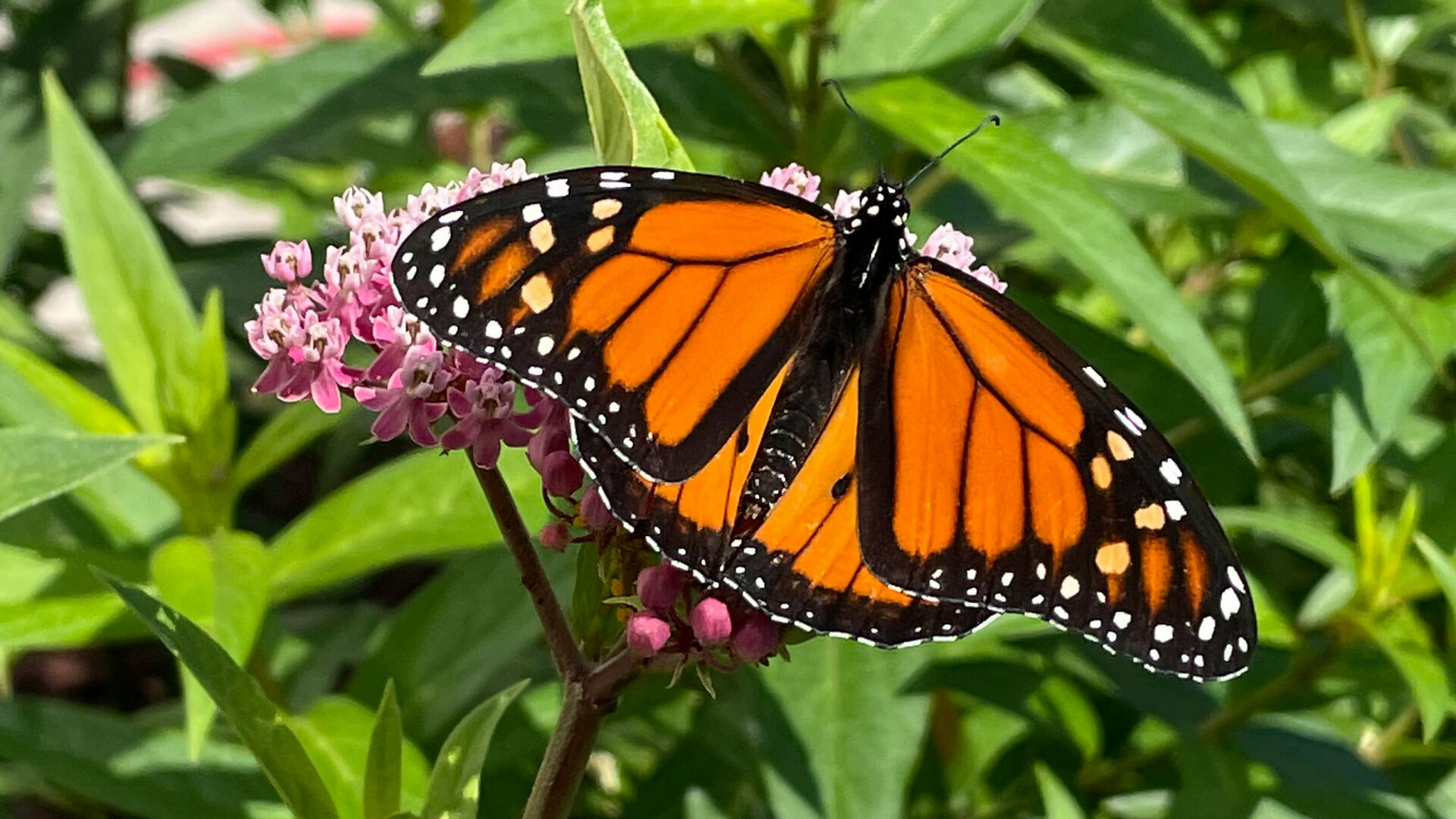
Eastern monarch butterflies travel up to 2,800 miles from Canada and the US to the Oyamel fir forests in central Mexico to hibernate for the winter. In one of nature’s most spectacular phenomena, millions of monarchs gather in enormous clusters, relying on the forest canopy to shield them from freezing winter winds, rain, and cold nights.
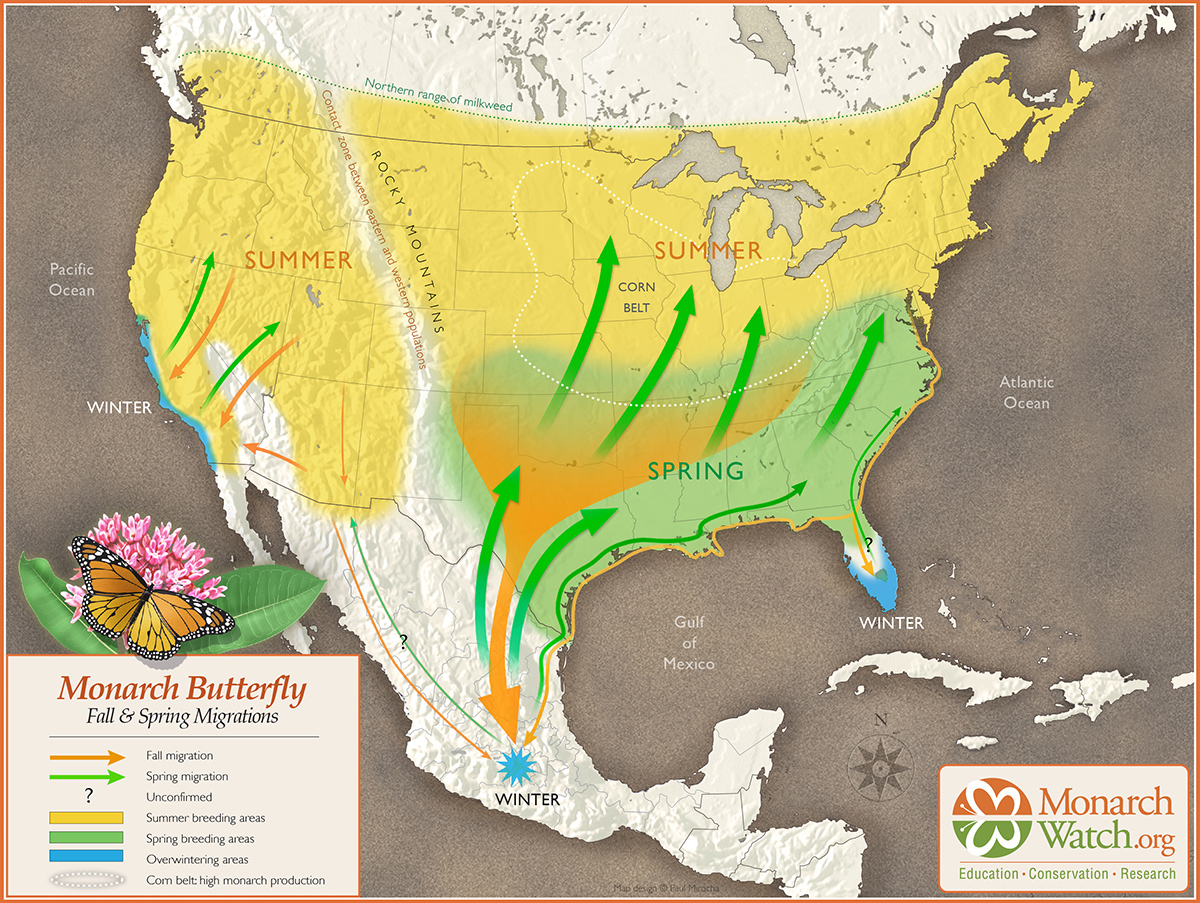
Over the last 30 years, the eastern migratory monarch butterfly population has seen significant losses. Populations are estimated based on the acreage covered by hibernating colonies. Researchers have estimated that there are approximately 21.1 million butterflies per 2.47 acres. Three decades ago, monarchs covered nearly 45 acres of forest in the winter (384.25 million monarchs). This past winter, they covered 7.24 acres of forest (61.82 million monarchs). While this was an increase over last year’s 4.42 acres (37.74 million monarchs), there continues to be a long-term downward trend.
Loss of hibernating habitat in Mexico; extreme weather in Canada, the US, and Mexico; and the impacts of herbicides and insecticides on breeding habitats in the US all contribute to their decline.
What do monarch butterflies need in order to survive?
- Native milkweed plants to feed caterpillars
- Nectar plants blooming from spring to fall to fuel adult breeding and migration
- Protection from pesticides
To truly save the butterflies in the Washington, DC region, our yards must become more than just visual pit stops—they need to be fully functioning nurseries and fueling stations. Every butterfly you see in your garden began its life as a hungry caterpillar with a highly specific, native diet. By planting a thoughtful mix of the monarch larval host plant to feed growing caterpillars and nectar-rich blossoms to sustain flying adults, you can build a complete, pesticide-free sanctuary right in your backyard.
How to create a milkweed nursery for monarch caterpillars?
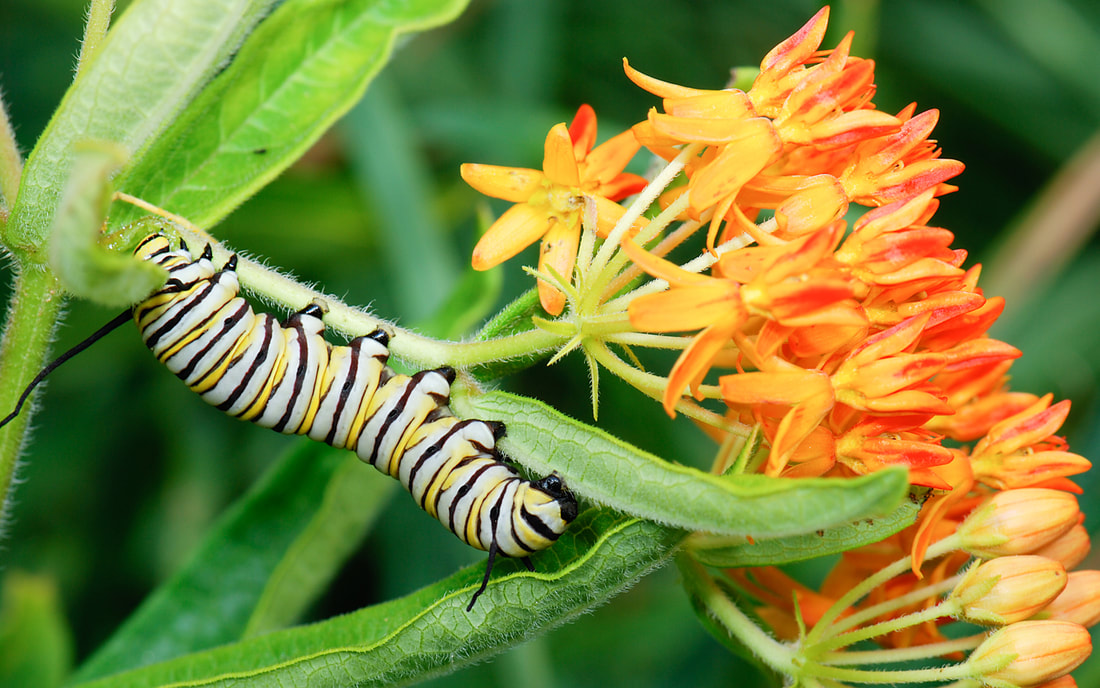
Imagine if you could only survive on one type of food. That is the life of a monarch caterpillar, which relies entirely on milkweed (Asclepiadaceae) leaves as a food source. That’s right…Milkweed is the only host plant on which monarchs will lay their eggs and the only source of food for baby caterpillars. The milkweed that are native to the Mid-Atlantic region include Butterfly Weed (Asclepias tuberosa), Common Milkweed (Asclepias syriaca), and Swamp Milkweed (Asclepias incarnata).
Add a 3-Season Buffet of Nectar Plants for the Adults

Adult monarchs need a constant supply of energy from flower nectar from spring arrival through their fall migration back to Mexico. Make sure there is something blooming in your garden each season. Here are some monarch favorites:
- Spring/Early Summer: Coneflower (Echinacea), Black-eyed Susan (Rudbeckia), and Blazing Star (Liatris)
- Late Summer/Fall: Joe Pye Weed, Goldenrod (Solidago), and Asters
- Annuals: Zinnias and Cosmos provide great nectar as well
Ditch the Chemicals
And most importantly…no pesticides. Systemic insecticides like neonicotinoids, spell doom for butterflies. Make sure the plants you buy at a nursery or big-box store are not pre-treated with chemicals. Even “organic” and “natural” sprays like Bacillus thuringiensis (Bt) or neem oil are lethal to caterpillars. Bt targets and destroys the digestive systems of all butterfly and moth larvae. You don’t want to create an inviting space for monarchs, just to poison them! Instead, hand-pick pests like aphids or Japanese beetles off your plants, or blast them gently with a garden hose.
Mosquito are miserable, indeed, but spray doesn’t discriminate. It drifts in the wind and coats your plants, killing monarchs, bees, and fireflies on contact. Use localized, target-specific mosquito traps (like “Mosquito Dunks”) in standing water instead of spraying. You can deal with mosquitos while keeping your pollinator sanctuary safe.
Garden Layout & Maintenance
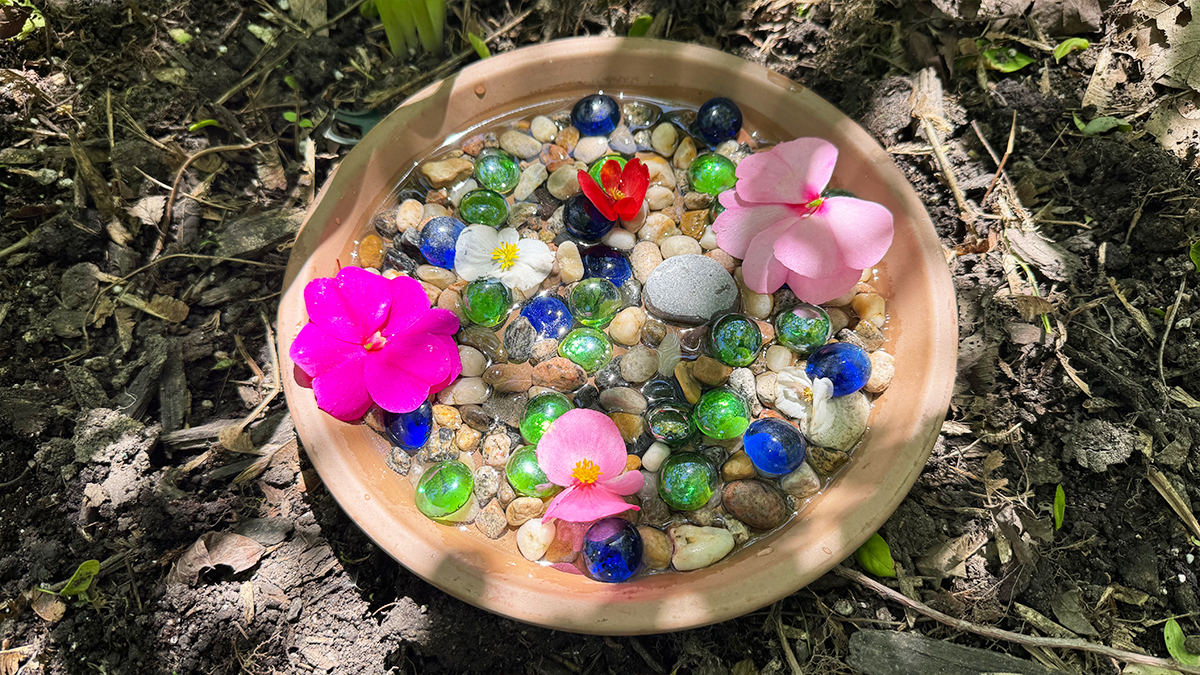
Dense, grouped plantings make feeding easy and also protect monarchs during windy conditions when they fly less. Add a water feature to your garden as well. A shallow dish with pebbles or sand for the butterflies to land on and clean water offers a safe watering station.