DC Natives Partners with City Blossoms to Bring Pollinators to DC School Gardens

DC Natives is excited to share our partnership this year with City Blossoms! DC Natives has been itching to work more with our community’s youth and schools, and are stretching our roots out by working with the experts at City Blossoms. This year DC Natives is supporting three of City Blossoms school gardens at Noyes Elementary, Johnson Hayden Middle School, and HD Cooke, by augmenting the school gardens with pollinator plants and patches.  

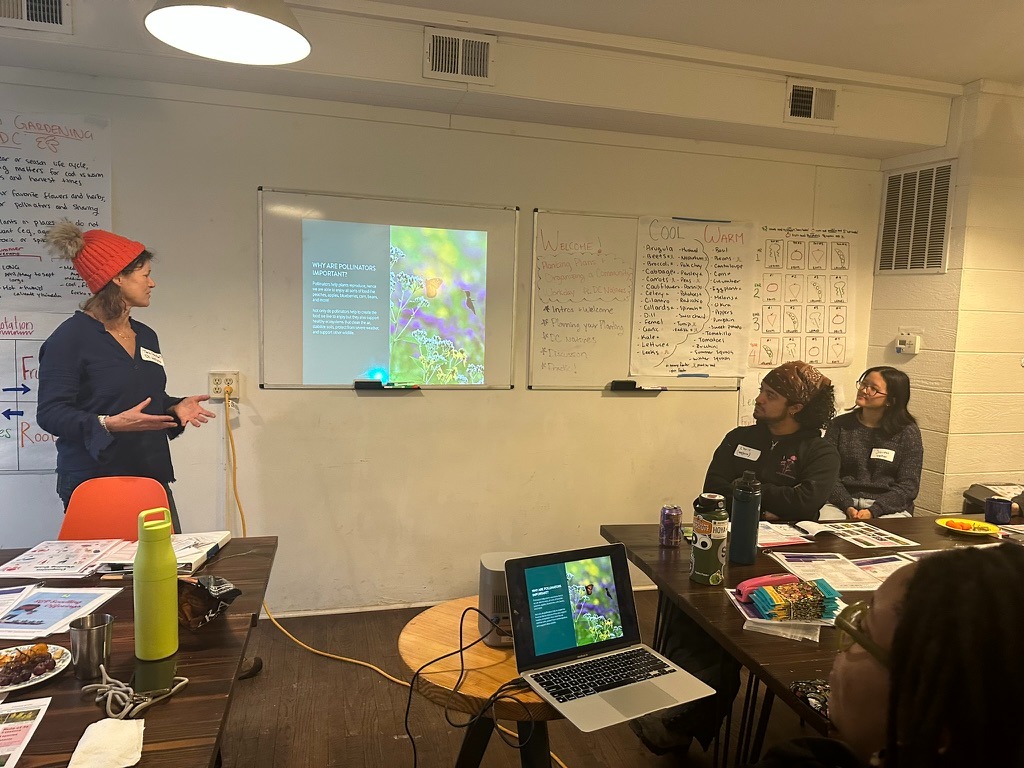
In the winter, DC Native’s Executive Director and Board members presented to the lead teachers establishing gardens on the importance of pollinator plants and key design principles as they began to plan their school gardens. 

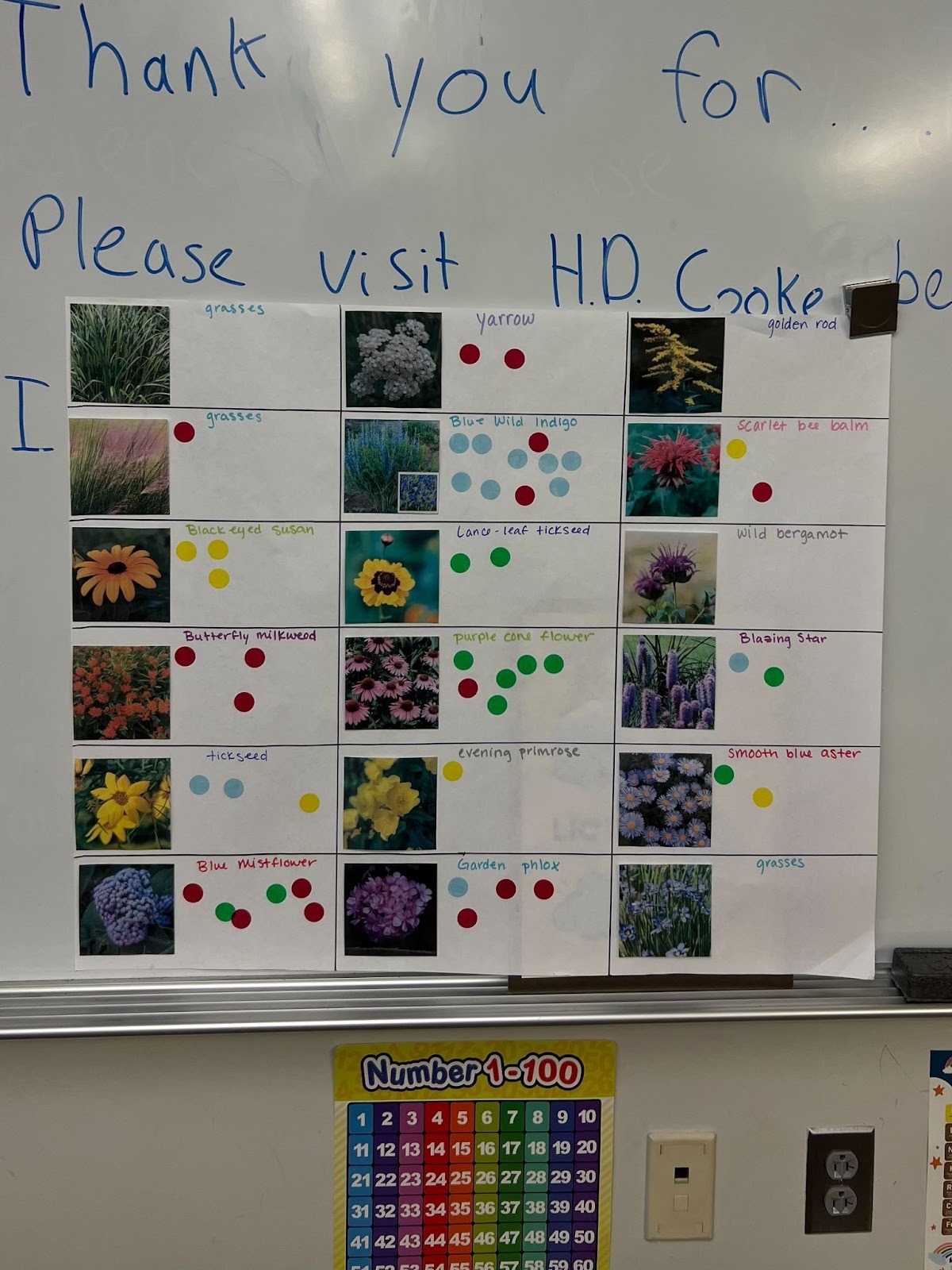
The amazing educators partnering with City Blossoms, then took this information back to their classrooms and created a voting system to empower the classroom to choose the pollinator flowers they want to see in their school gardens!  

Our first planting day with City Blossoms is coming up on April 4th at 10 AM at Noyes Elementary. If you live in the area and would like to connect more deeply with DC Natives and the young people in your area, please stop by to volunteer. You can register to participate here.

City Blossoms is also supporting DC Natives in crafting a common core aligned Pre-K pollinator and native plant curriculum! We look forward to sharing this with you all next year as we continue to support the growth of future generation’s awareness and support for native plants and pollinators!

Block Captain Humberto Roots Community Connections in Trinidad

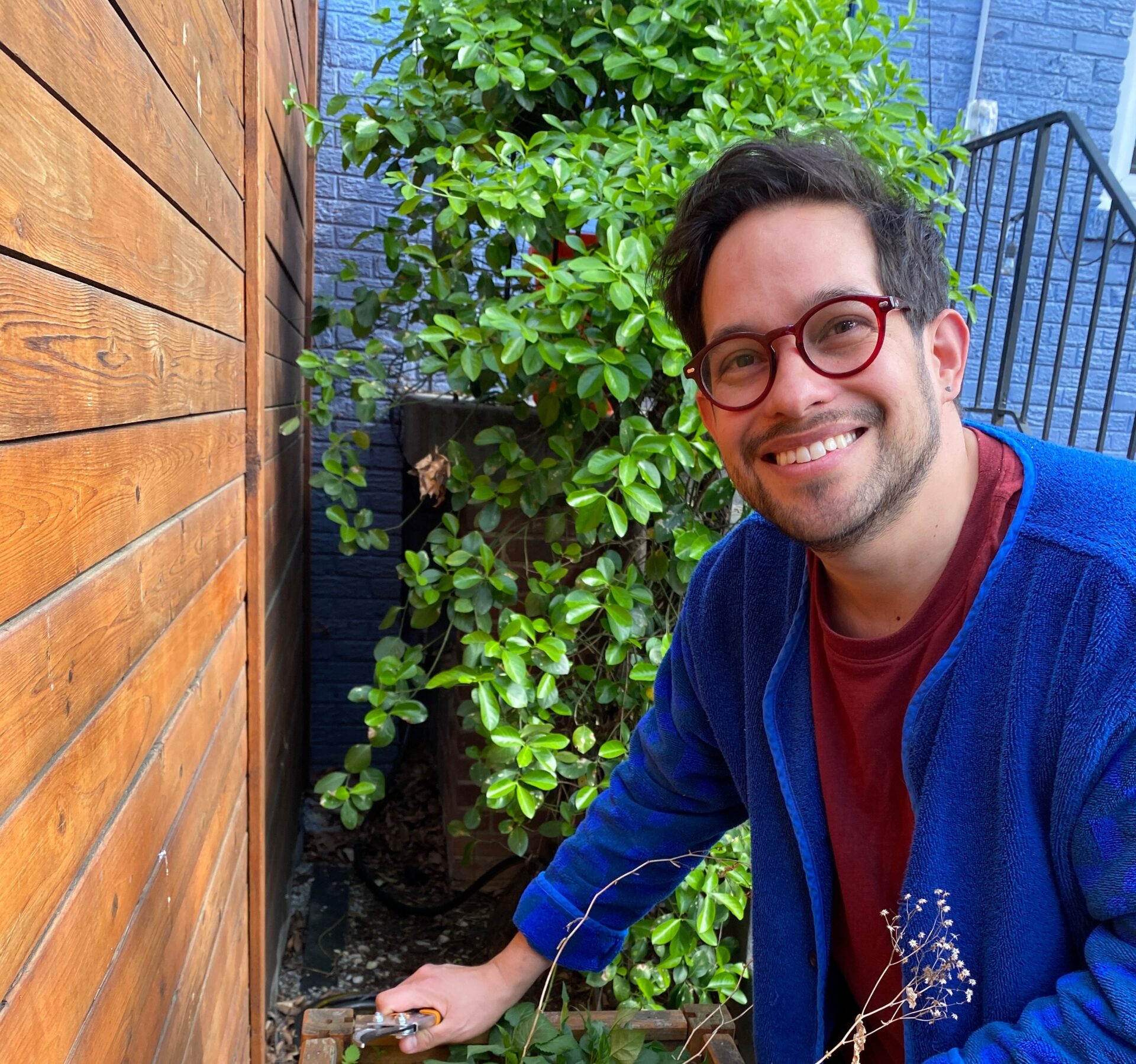
Humberto Camarena may have grown up in the suburbs of Chicago, but after stints in cities across the country, he’s found his home, and his garden, in DC’s Trinidad neighborhood in Ward 5. A self-described “beginner gardener,” his path to planting started during a year of volunteer service in Denver, where he composted for the first time and helped tend a small vegetable garden with fellow volunteers deeply connected to the earth. Now, he brings that same enthusiasm to his role as a DC Natives block captain, along with a deep love of monarch butterflies and a genuine talent for striking up conversations with neighbors. We caught up with Humberto and asked him some questions about gardening, community building, and more.


Q: What’s your favorite pollinator?

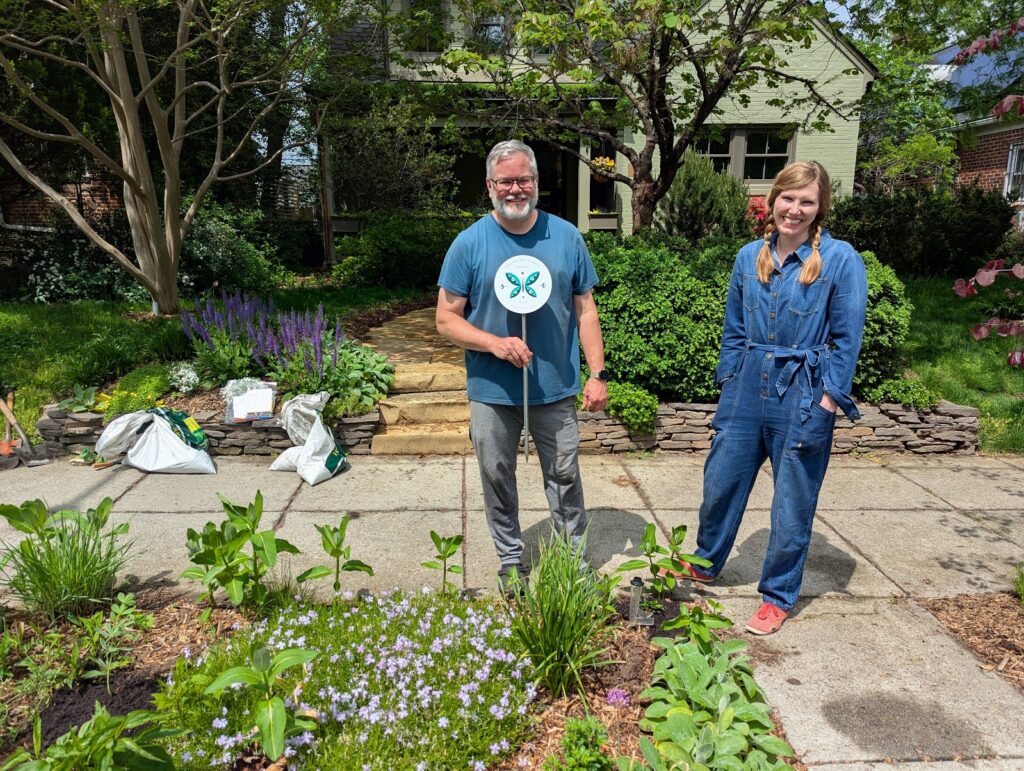
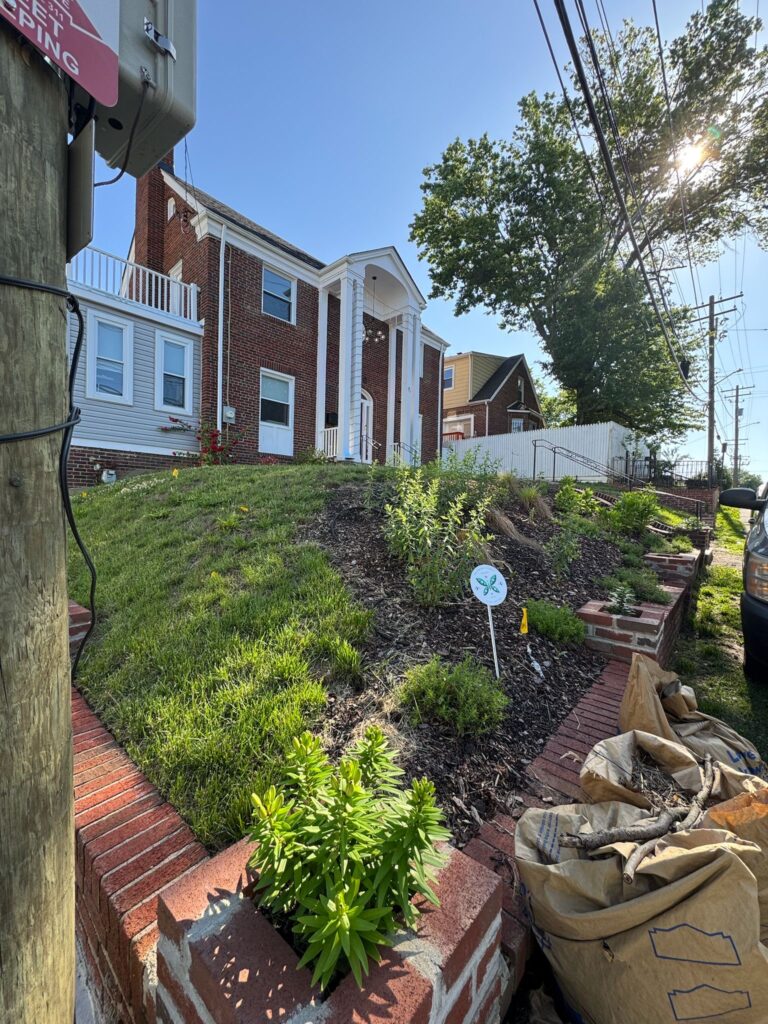
Humberto’s garden.

A: My favorite pollinators are monarch butterflies. They hold a lot of significance to me for their migratory patterns and what they represent as they move. They really represent the critical, existential threat we are facing with climate change and the reduction of habitat. They are just so gorgeous and so critical, a nice reminder of why we need to protect our habitats. I have a big monarch butterfly poster in my living room, and one of the things I was really excited about was planting milkweed to support the butterfly population.

Q: At what point did you realize you were a gardener?

A: I feel like I don’t consider myself a gardener. I really am a beginner gardener. My first real appreciation of gardening was after college, during a year of volunteer service in Denver. We had a compost bin, my first time composting, and a small garden where we’d grow vegetables for the household. I learned so much from the other volunteers who had a strong connection to the Earth. That was one of the things that really turned me on to gardening and the path to being way more environmentally conscious.

Q: What’s your favorite part about being a block captain?

A: The opportunity to connect with neighbors, both to help people get gardens and to make one-on-one connections. People are excited because they just moved in, or because they’ve been living there for a while and have been curious. A couple weeks ago I ran into a neighbor we had planted with in the spring. She was pregnant when we did the planting, and I was able to ask about her baby. We stayed talking for a solid 15 minutes about the plants, about her baby, about everything happening around us. It’s fantastic to have that opportunity through DC Natives.

DC Natives is always looking for new block captains in neighborhoods across the District. Learn more about getting involved by emailing dcnatives.org@gmail.com.

5 Beautiful, Drought-Resistant Native Plants for Your DC Garden

If you’ve gardened through a DC summer, you know the shift.  Spring rains give way to heat, dry spells, and some plants in the garden can look a bit…stressed.

If you’re hoping to keep your garden vibrant through the heat without worrying about being outside with the hose every day, choosing native plants that can handle drier conditions is a good place to start.  Once established, many of these plants are surprisingly resilient, with the added bonus of providing your garden visual interest, making them a great fit whether you’re just getting started or expanding your garden.

Here are five drought-tolerant native plants that support pollinators and bring vibrant beauty to the garden without adding more to your summer to-do list.

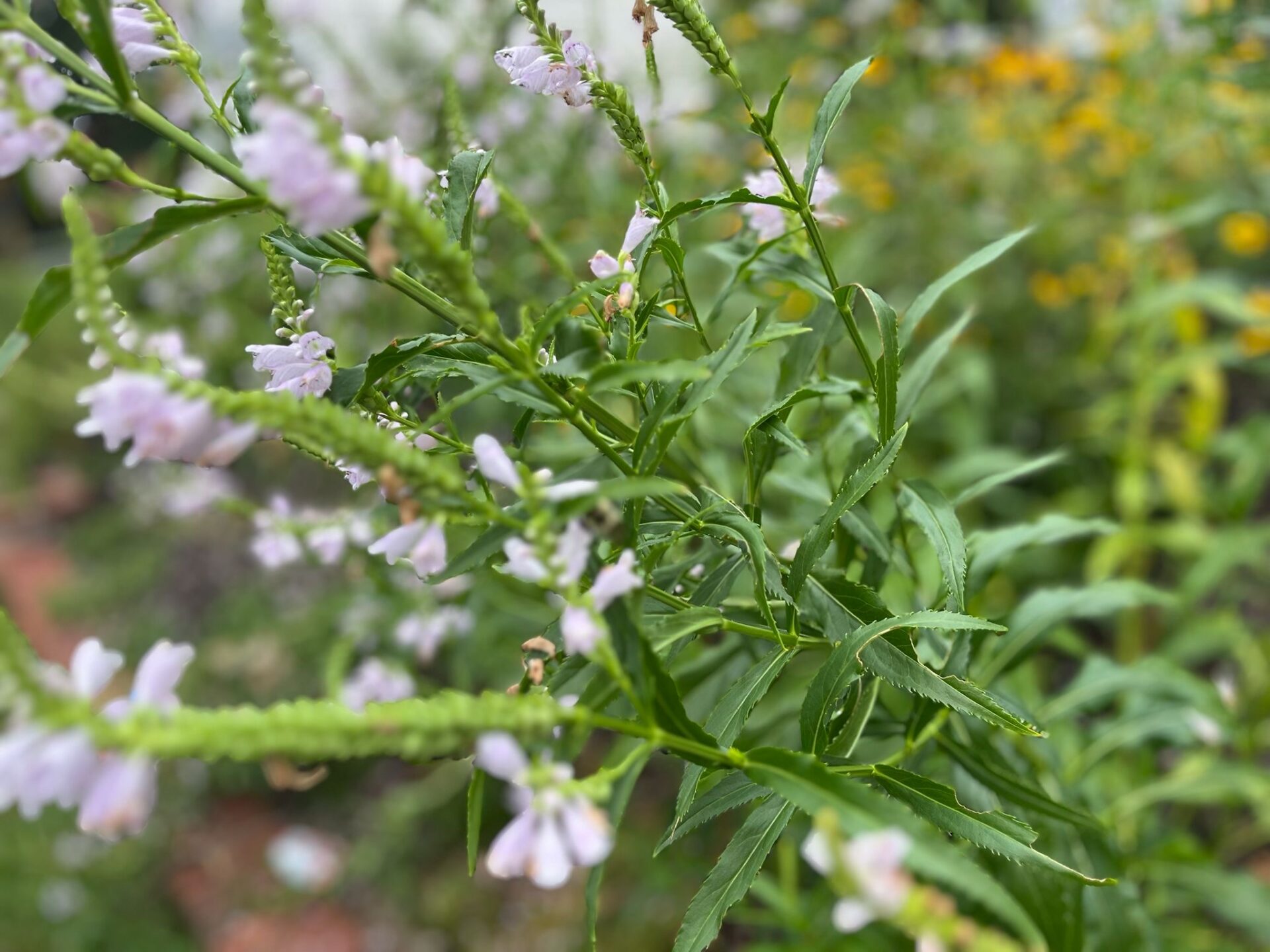
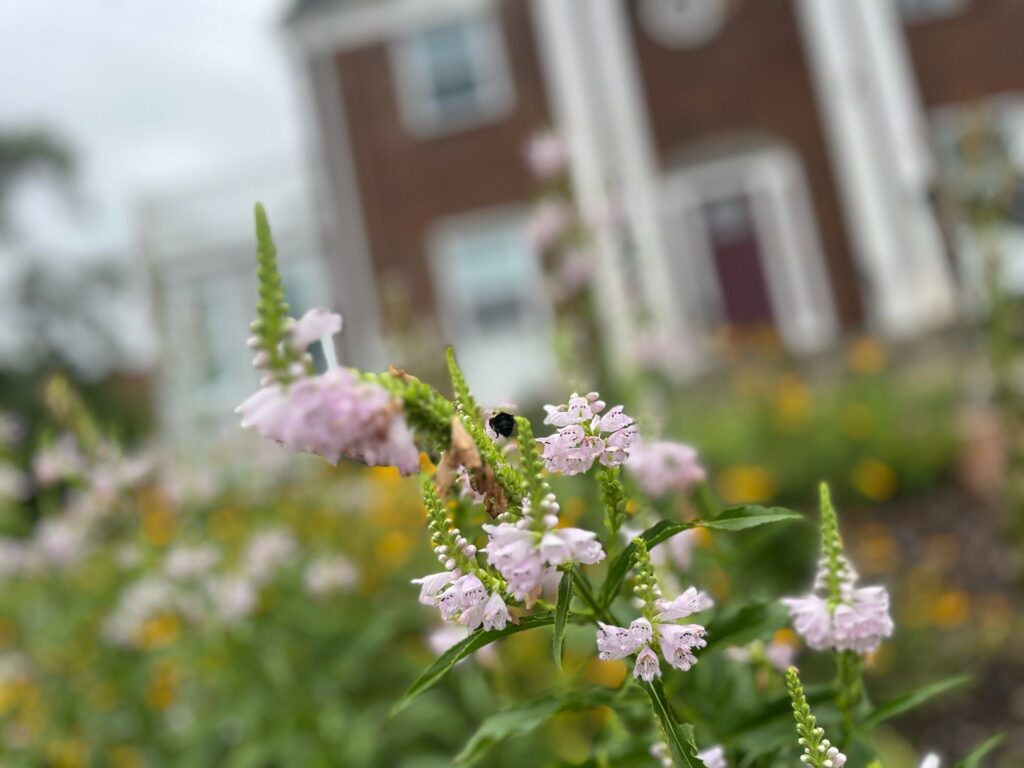
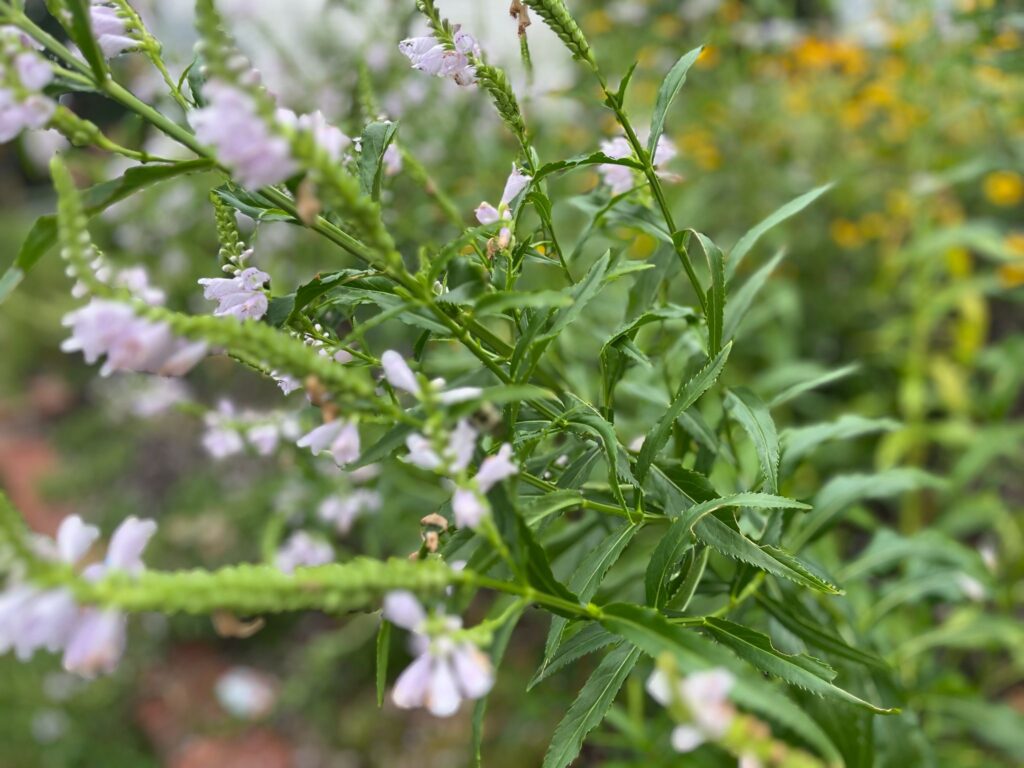
Beardtongue (Penstemon digitalis)

Beardtongue is an easy, drought-tolerant, and beautiful plant to start with, sending up tall stems of soft white blooms in late spring.

It’s especially useful if you’re looking to get pollinator activity going earlier in the season, with hummingbirds and bumblebees frequent visitors.

It’s a good fit for tougher spots in the garden, including areas with heavier soils or poor drainage. It can also handle some shade with well-drained soil. Once established, it holds up well and adds a clean, bright look to the garden with minimal maintenance.

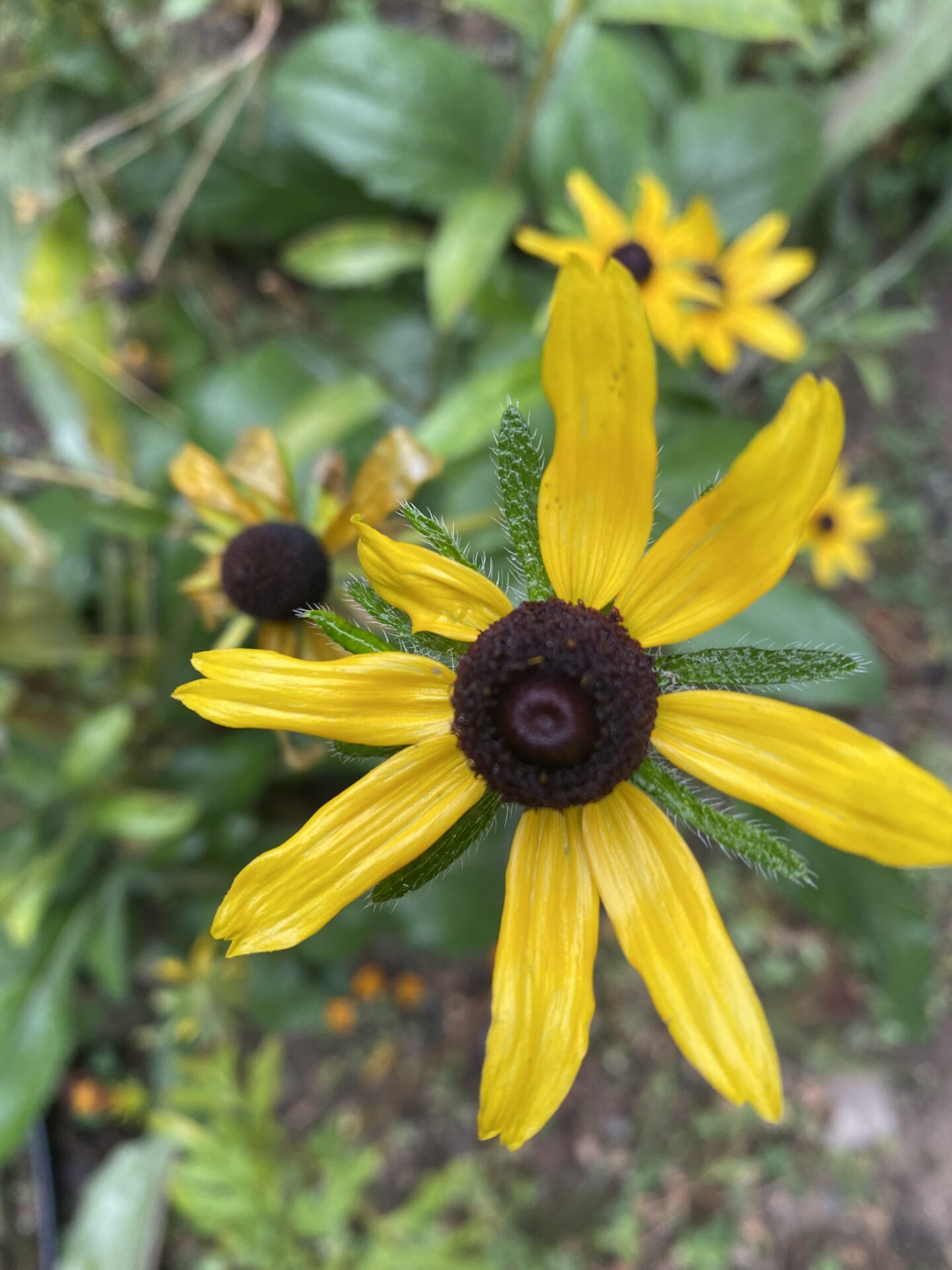
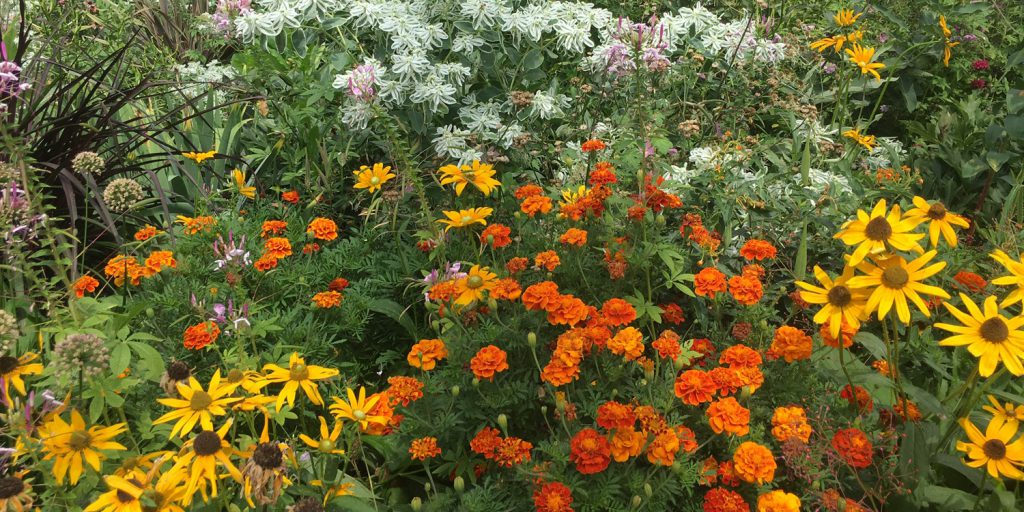
Black-Eyed Susan (Rudbeckia fulgida)

If your garden gets a lot of sun and heat, black-eyed Susans are a top contender.  Their bright yellow petals and dark centers are a striking addition to the garden even for those with tough conditions.

They bloom from mid-summer into fall, and each flower tends to stick around for a while. Over time, these plants can spread into open spaces, which helps a garden feel fuller without much effort.

They can be found growing in a variety of conditions across the Mid-Atlantic and can tolerate heat and drier soils once established.  In addition to supporting pollinators, they also produce seeds that attract birds later in the season.

Butterfly Weed (Asclepias tuberosa)

If you’re looking for standout color and ample pollinator activity, look no further than butterfly weed.  This plant features clusters of bright orange flowers set against dark green foliage and brings a strong pop of color right when summer gets going.

Plus, its blooms are long-lasting and highly ornamental, making them a strong visual addition to the garden.

Once its roots are established, this plant is built for tough conditions.  As a type of milkweed, it plays an important role in supporting monarch butterflies, and its blooms attract other pollinators, including hummingbirds.

Little Bluestem (Schizachyrium scoparium)

Not everything in the garden has to be a bright pop of color to stand out.  Little bluestem is a native grass that adds both structure and movement, especially as the seasons shift.  In summer, it has a soft blue-green color. By fall, it transitions to warm tones that carry through into winter.

Its fluffy seed heads stick around as well, adding texture and supporting wildlife.

It is extremely drought-tolerant and thrives in full sun and drier soils.  Once established, it requires very little attention, making it a good option if you’re looking to balance out more high-maintenance plants.

Wild Bergamot (Monarda fistulosa)

Wild bergamot has a softer presence in the garden.  Its light purple blooms and informal appearance give it a more natural feel.

Its mid to late summer blooms draw in a wide range of pollinators, especially bees and its hollow stems can serve as ideal nesting habitats.

This plant grows in full sun to partial shade and can handle drier conditions once established.  In the right conditions, it can also spread and help fill in the garden over time.

A note on getting started

Even drought-tolerant plants need consistent watering in their first season while their roots get established. After that, they become much more self-sufficient.

One of the things we emphasize at DC Natives is that you don’t have to do everything at once.  Adding even a few of these plants can make a meaningful difference for your garden and for the pollinators that depend on it.

Over the season, these plants begin to layer together, bringing color, structure, and steady pollinator activity in a way that feels both manageable and rewarding.

If you’re looking to see these plants in action or learn more, we hope you’ll join us at an upcoming First Flower Friday or demonstration garden workshop this season.
How DC Natives Works

DC Natives supports a healthy climate by increasing pollinator habitats and creating the local beauty we believe every resident deserves. Since our inception, we’ve created hundreds of pollinator gardens around the city. This has been made possible by our volunteers including Block Captains who work together to identify community members who want to have pollinator gardens, help them select plants, learn about plantcare, and design and create beautiful spaces. 

The process begins with Block Captains learning about their community members who are interested in having a garden. They may do so by posting on their local social media groups, at community events, or through conversations with friends and neighbors. Block Captains send community members our online interest form and invite them to attend a DC Natives informational Zoom call to learn more about our work, calendar, and process. Afterwards, we schedule a site visit with the community member to discuss site prep options and select flowers for their garden or planters. We also schedule a time for the community member, our block captain, and other members of the DC Natives team to work together to plant flowers, install soaker hoses, etc. Our model is collaborative and educational ensuring community members are actively part of creating beauty in their gardens, yards, and neighborhoods. 

Every year, we start our work around DC with site visits for the following spring in December, January, and February, garden prep in March, and planting pollinator gardens in April and May. We repeat the process again for the fall season, starting with site visits in June and planting gardens in October. We welcome members of our community to join us in the work of creating pollinator gardens around our city.

2026 Pathways to Help Expand the Pollinator Pathway

  1. Block Captain-led DC Natives Garden – this option pairs gardeners with a DC Natives Block Captain in order to prepare and install a residential pollinator garden. This option is intended for individuals that may need assistance with aspects of soil preparation and garden installation processes. For DC areas with a Block Captain or for Ward 7 or 8, DC Natives will introduce prospective gardeners with a Block Captain. The Block Captain will contact the gardeners to set up a site visit consultation to confirm that the site(s) meet the requirements for a native garden to be installed. If approved, the Block Captain will assist the gardener in selecting which native plants they would like to install and provide the gardener with information on how to properly prepare the site prior to garden installation. The gardener is expected to remove any weeds, grasses, bushes, or impediments to the garden installation. The gardener is also expected to supply compost and the appropriate hoses and accessories needed to route water to the new garden. DC Natives and other volunteers will assist the gardener on planting day with installation of the native plants, weed suppression materials, and mulch. DC Natives will assist the gardener on planting day to install the garden and then provide information on yearly maintenance.
  2. Attend a Demonstration Garden – this option includes in-person, on-site workshops. A typical demo garden event involves a two part “how-to” workshop demonstrating the various aspects of installing  a pollinator habitat. Topics that will be covered are: site selection, site preparation, garden design, plant selection, garden installation, irrigation/water management, maintenance, and upkeep. This option is intended for new gardeners to learn and understand the entire process so that they can self-install the pollinator garden. This option does not include physical assistance or garden resources from DC Natives and is intended for gardeners that may not want to wait to be selected from our waitlist, individuals that do not have a designated block captain, or may not be located in Ward 7 or 8. However, the events are open to anyone regardless of location or level of expertise. The expectation is that the gardener will utilize the information from the demo garden to create the pollinator garden on their own.
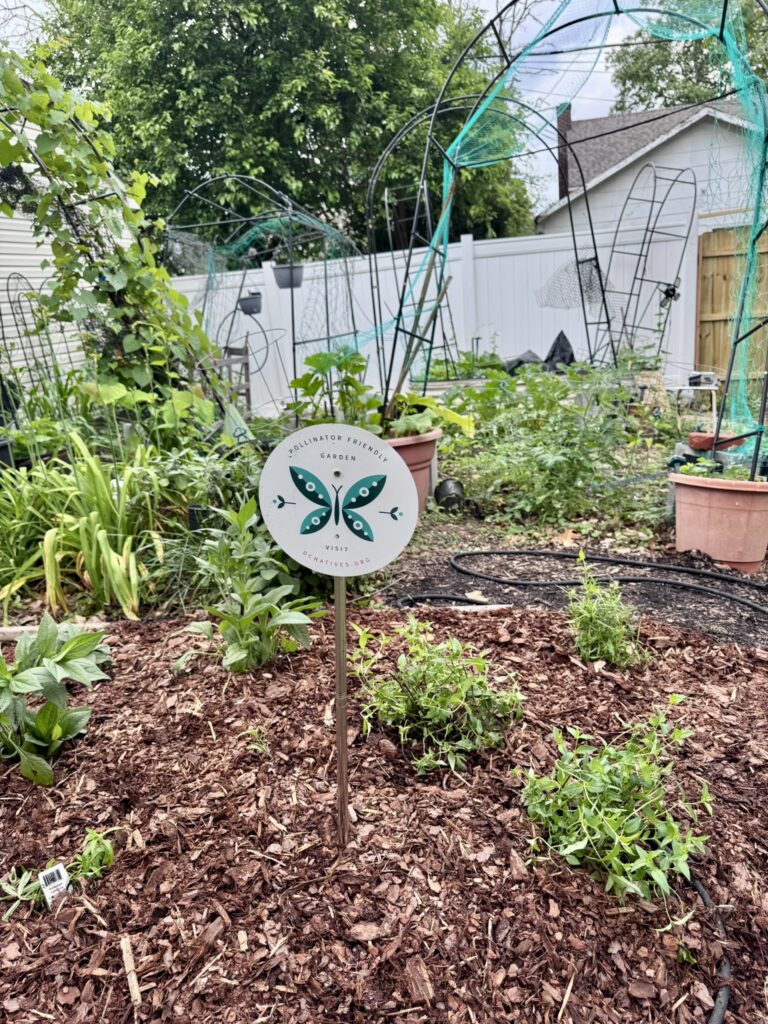
  3. Community Cooperative Project (CCP) – this option is for several members of one community/neighborhood that would agree to assist each of the other gardeners through the process of site preparation, garden design, plant selection, garden installation, irrigation/water management. This option is for community groups of four to six gardens. The gardeners of the community group will select a LEAD gardener(s) to help organize the effort and be a point of contact for DC Natives. We encourage the gardener that will be the LEAD gardener(s) to attend the DC Natives info session and at least one DC Natives Demonstration Garden Series as they will be guiding the other gardeners within the group, with minimal assistance from DC Natives, to the completion of each of the individual gardens. The rest of the group gardeners may also attend to help increase overall knowledge of the process. DC Natives will complete site visits with each gardener in the group to agree on a final pollinator garden site. All gardeners are then expected to remove any weeds, grasses, bushes, or impediments to the garden installation. The gardeners are also expected to supply compost and appropriate hoses and accessories needed to route water to the new garden. All questions are to be directed to the LEAD gardener who will then await advice from a DC Natives Block Captain. Upon successful completion of the process, each gardener will receive a DC Natives pollinator garden sign to affix within their garden or on the gate certifying that the garden meets the criteria of a DC Natives pollinator garden. This option assists in building community connections and helps all gardeners achieve the same results with the help of their community. This option DC Natives will provide the native plants. The cooperative is responsible for site prep, irrigation materials, and mulch. Spaces are limited and must complete a CCP application.

Updated 1/22/2026

Ready to get involved?

Exciting Opportunities to Join Our Leadership Team

DC Natives Pollinator Gardens is currently seeking community members to join our leadership team. We are looking for volunteers with expertise who are willing to assist with advancing DC Natives priorities and organizational structure. If you possess any or all of the qualities listed below please fill out this form. Thank you.

Our current needs are:


Storyteller

  • Writing, editing, and storytelling (newsletters, press releases, blogs)
  • Media relations and communications strategy
  • Research and fact-checking
  • Public speaking and interviewing
  • Social media management and digital outreach
  • Documentation of community history and events
  • Amplifying community voices and raising visibility
  • Advocacy journalism and watchdog role on policy issues

Fundraiser / Development Specialist

  • Grant writing and reporting
  • Donor cultivation and stewardship
  • Event-based fundraising (galas, community drives, campaigns)
  • Budget development and financial planning
  • Corporate sponsorships and partnerships
  • Knowledge of foundations, government, and philanthropic networks

Treasurer / Finance Professional

  • Budgeting and financial oversight
  • Accounting/bookkeeping skills
  • IRS 990 filings and nonprofit compliance
  • Developing financial reports for transparency
  • Risk management and audit preparation
  • Ensuring sustainability planning

Tech & Communications Specialist

  • Website and social media management
  • Graphic design and digital storytelling
  • Managing online meetings and virtual events
  • Data tracking and reporting tools
  • Outreach to younger audiences through digital platforms
  • Cybersecurity and tech troubleshooting

Block Captain Ayanna Connects with Community, Creates Pollinator Pathways in River Terrace

Ayanna Williams is a D.C. resident, through and through. She grew up in Penn Branch, and while she moved to Prince George’s County at one point, she says she always knew she wanted to move back. And she did. Ayanna happily lives in Ward 7’s River Terrace which is nestled around D.C.’s Anacostia River, miles of bike and walking trails and an impressive pollinator pathway thanks to acres of green space and DC Natives’ planted gardens in the area. In addition to being heavily involved in the community and serving as a fixture of Rooting DC, the District’s annual urban gardening forum, Ayanna has been a DC Natives co-block captain in River Terrace for three years, serving alongside Julie Lawhorn.

“I wanted to be a part of helping other people create their garden spaces,” said Ayanna. “Naturally, I started attending more plantings, learning more about plants, and then I realized there was a role for what I’m doing. I love learning about my community through being a block captain. It’s not just about the plants; it’s really the community engagement.”

DC Natives is always looking for new block captains to help with things like recruiting neighbors interested in pollinator gardens, planting, and information sharing. Ayanna shared advice for those on the fence about becoming a DC Natives block captain.

“You should not be an expert,” she said. “It’s best if block captains have less knowledge and more willingness to learn new things and meet new people and have the desire and capacity to learn. The role is ever-evolving. I’m a federal employee. For me, DC Natives, my growing community at Rooting DC, and through First Flower Fridays, this community and network we have has been a life saver. It’s been a light in some dark times.”

Learn more about Ayanna in our Q & A and please do consider a block captain role with DC Natives for 2026! You can learn more by emailing us at dcnatives.org@gmail.com.

Q: What’s your favorite native pollinator-attracting plant? 

A: Today, my favorite pollinator-friendly plant is yarrow. I struggled with it for years and finally was able to grow it through seed. Typically, my favorite is one that I’ve been able to grow from start to finish.

Q: At what point did you realize you were a gardener?

A: Looking back at it, when I was in the midst of gardening, I wouldn’t think I was a gardener. When I retrospectively look back, it is, in fact, from the moment I had an appreciation of plants. I’ve been a gardener all my life. I just didn’t have the tools and resources to grow that desire.

Q: What’s your favorite part about of a block captain?

A: It’s the community engagement. In some ways, it is forcing me to meet someone new that I really wanted to meet anyway. I love learning about my neighborhood, the history of my neighborhood and the people who make up the history.

DC Natives featured in WAMU 88.5 story

Just in case you missed it, DC Natives Pollinator Gardens and the work we do in supporting our community to create habitats friendly to pollinators was featured in a story on WAMU 88.5. Please listen and read along about how DC Natives originated and what a powerful impact our gardens are making all over Washington, D.C.

D.C. nonprofit teaches residents how to garden using native plants | WAMU

After listening to our story on WAMU 88.5, if you want to learn even more about DC Natives and our story, please take a look at the video below created in partnership with the Endangered Species Coalition that discusses why DC Natives is so integral in the fight to save several endangered species of pollinators.

Play

Continuing to Heal Inside and Out: A Garden Update

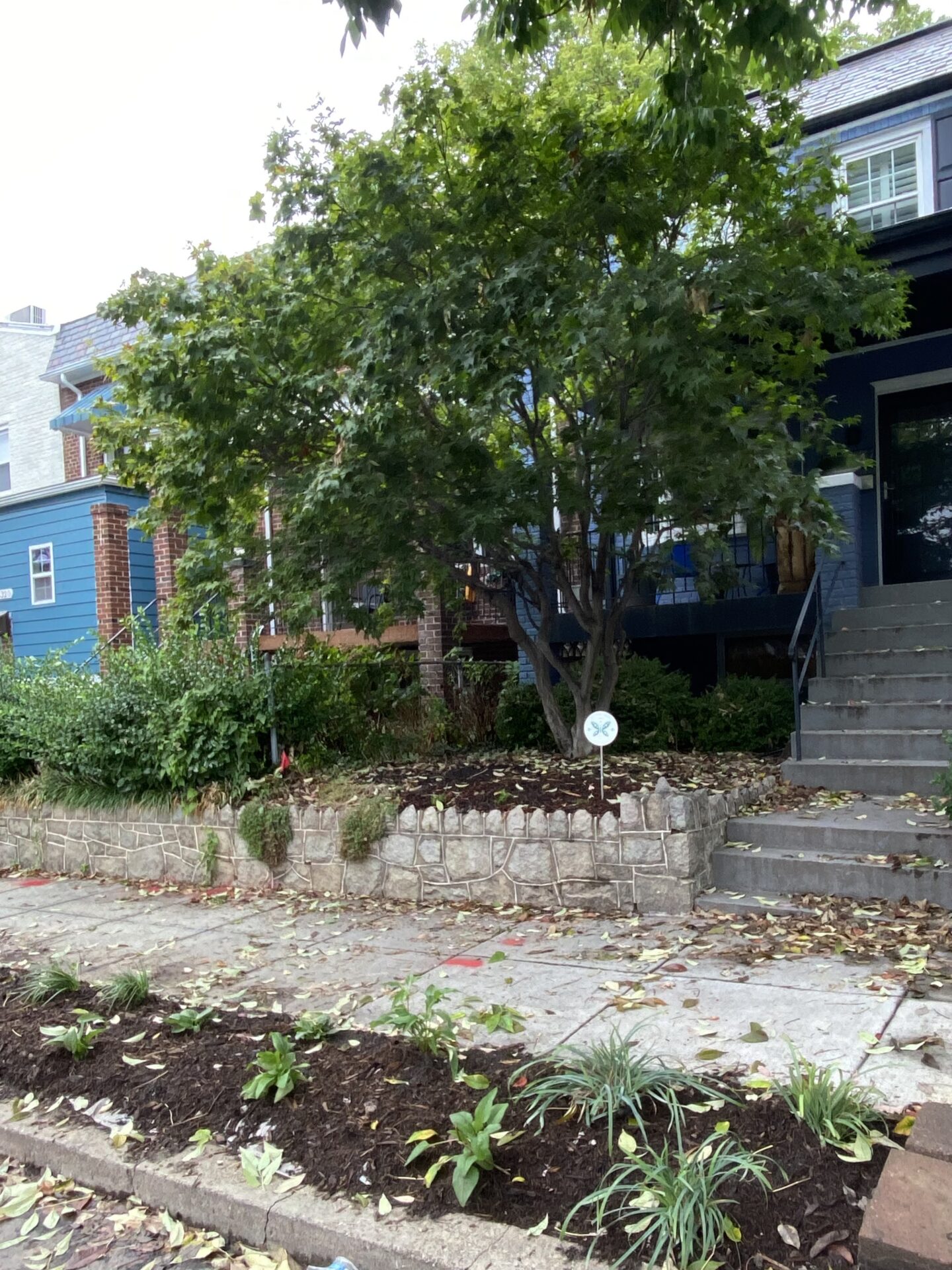
You may remember us reporting last year on the Healing Power of Pollinator Gardens and the impact that DC Natives made by installing a pollinator garden with the help of our garden partner and cancer survivor Aubri. 

Gardening has been shown to to improve nutrition, mental health, and sleep among other benefits. It is also a great way to foster community and deepen belonging. Our community member Aubri experienced the benefits of her pollinator garden first hand.

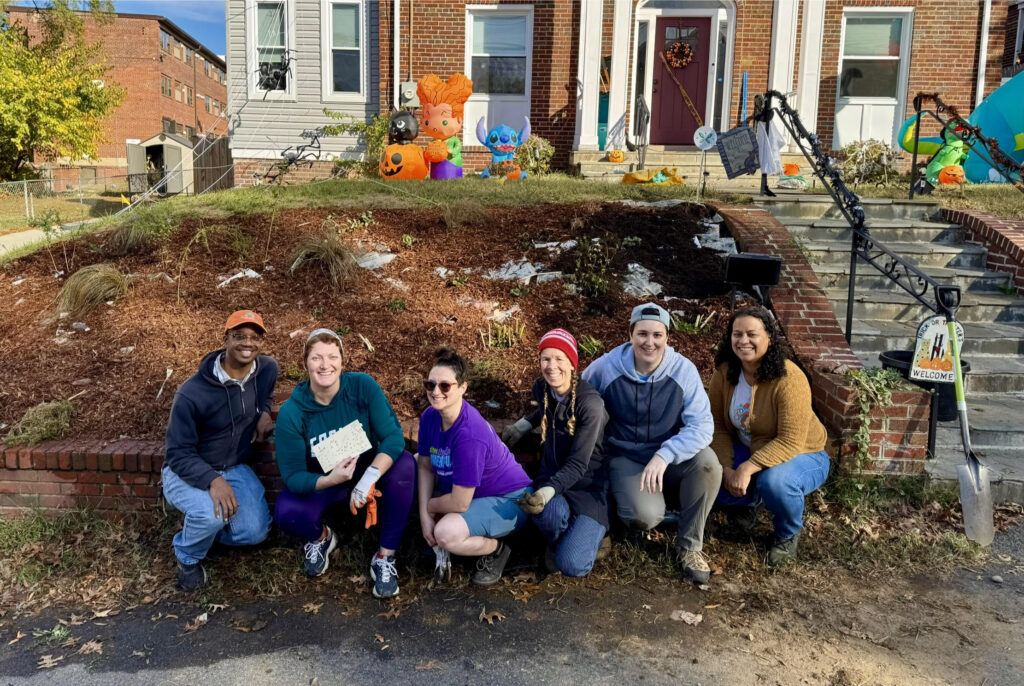
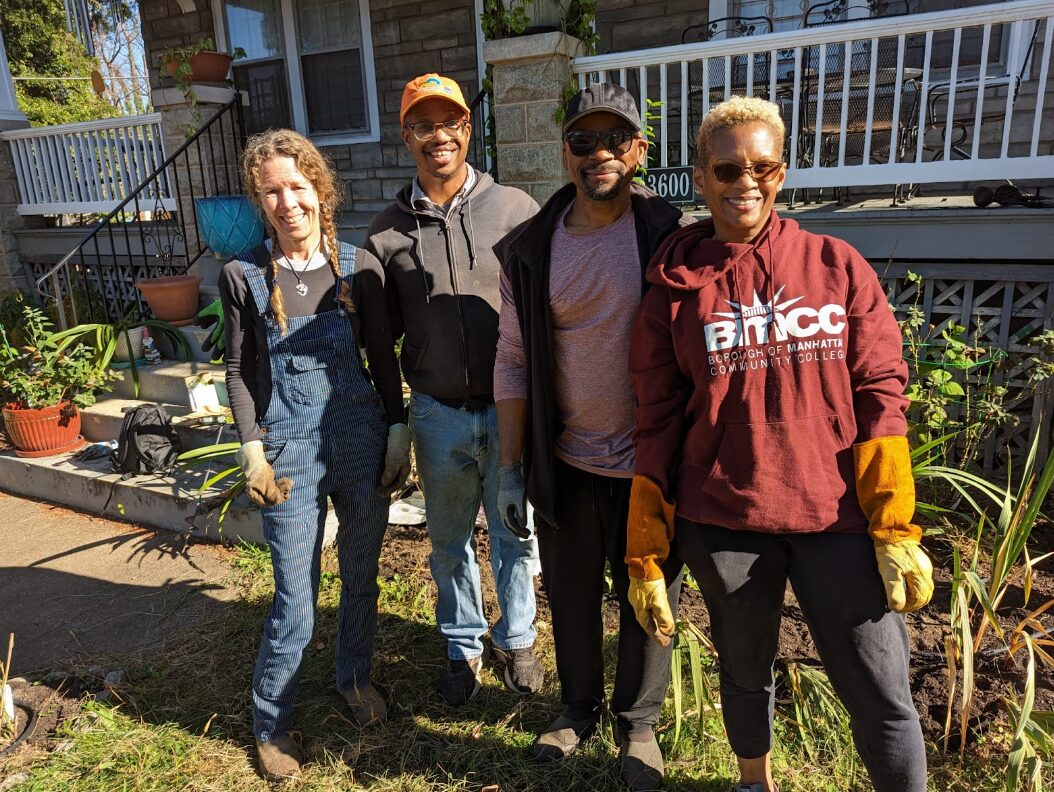
Aurbi (second from left) posing by her garden last year.

When we helped Aubri create her pollinator garden last year, she reflected on the experience: “It literally brought tears to my eyes. People just kept showing up with plants out of their own gardens, inspired to help me when I needed it. So many people gave their time, their energy, their resources, and their love to help a near stranger! I’ve only been in NE DC for 6 months, after 17 years in Petworth. It was an amazing affirmation that I made a great choice picking my new neighborhood, and that I already have a blossoming community here.”

Now, a year later, Aubri’s garden is thriving. The native plants that are installed in DC Natives pollinator gardens usually are establishing their root systems and getting settled into the environment in the first year of the garden. In the second and third years, the plants are growing and breaking up compacted soil with their roots by creating spaces for air and water to penetrate the solid. The plants also spread and reproduce through the habitat by rhizomes or seeds. The growth increases the density of the plants and flowers within the habitat which usually increases the amount of pollinators that are attracted to the habitat to feed, procreate, and grow. In it’s second year, Aubri’s garden is growing, feeding a large variety of pollinators, and adding to her joy.

We wanted to provide  an update and a look into how Aubri’s DC Natives pollinator garden continues to grow and help Aubri heal in the second year. Here’s what she shared with us:

“Working with DC Natives has been a life changing experience. I always thought I had a black thumb, but watching this garden grow so quickly and vibrantly, with stalks literally weighed down by the weight of their blossoms, it’s been an unexpected delight learning to garden this past year. My doctors are happy for it as well – you see my whole DC Natives journey started in 2024, just weeks after I learned I had breast cancer. Planting occurred right after surgery, the garden and I wintered together through radiation, and we both came alive again in spring 2025. It has made a huge difference in my recovery, having a reason to be outside in the fresh air and sun, to be stretching, lifting, and otherwise exercising my body. In the care of my garden (and yard). My doctors have noted how quick and simple my recovery has been, and I do think having something to do and something to look forward to made a difference. I cannot wait until my plants are ready to be split. I want to expand the garden to the other hillsides in my yard, and also share with others what was so generously shared with me. The legacy of these gardens will keep growing, just like the legacy of the DC Natives group, and its untiring, endlessly supportive leadership. They are making our city a healthier, more beautiful place to live one lawn at a time, and I could not be more grateful.”

We are so grateful for Aubri’s kind words and so glad that she’s cancer free and thriving alongside her beautiful garden. Stay tuned because we will provide an update on Aubri’s garden in its third year, so that you can see how DC Natives pollinator gardens grow with proper watering and maintenance.

Pollinator Garden Creates Ready-made Community and Joy

Tiffany was on the list to receive a DC Natives pollinator garden in her Capitol Hill community in 2022. Upon meeting DC Natives’ Thorne Rankin at her home for the planting, Tiffany signed up to be a Block Captain, stirring interest among her Ward 6 neighbors about becoming part of D.C.’s pollinator pathway.

As a personal trainer in Washington, D.C., Tiffany decided to conserve her energy and stepped down from her Block Captain status after two years. Her love for the organization, however, led her to finding a new role this year – one that may just have led to you hearing Tiffany’s voice on the phone or seeing her email pop up in your inbox.

“I’ve been able to focus my time on taking care of the people interested in DC Natives,” said Tiffany. “I have been setting up the database, checking things five times and finding and fixing errors. I’ve been called eagle eye. I became responsible for the Zoom calls, emailing everyone on the spreadsheet that has shown interest, and inviting them to the Zoom calls. Thorne has been really happy with the fact that I will reply to everyone. Even on the day of the Zoom meetings, I will remind folks, because there’s always so much going on.”

DC Natives’ reach grows because of volunteers like Tiffany, whether behind the scenes or in the garden trenches, and we appreciate it! For Tiffany, DC Natives is not just another nonprofit organization. As a recent Connecticut transplant, recreating community was important, but challenging for many reasons–one being COVID.

“I moved to DC in 2019 before the pandemic,” she recalled. “The first four years with COVID were really kinda rough. I asked myself ‘why did I leave my community in Connecticut for 20 years. It’s hardest to move as a grown person. DC Natives is one of the organizations I credit with actually making me love living here. DC Natives has really brought me so much joy.”

Want to learn more about Tiffany? We asked her our favorite questions.

Q: What’s your favorite pollinator garden plant?

A: Hyssop. I just love it and how the leaves smell. You can make tea from hyssop leaves. My hyssop has so many bees. I get really excited about that.

Q: At what point did you realize you were a gardener?

A: I don’t even think I’m a gardener, no I do. I have imposter syndrome. I don’t know what the hell I’m doing, but my neighbor is like, ‘I watched what you’re doing, and I’m doing the same.’ But, I think it was when the garden was planted in the fall of 2022 and by the next year, spring 2023 when everything started coming up. I went away for a few weeks, and thought, ‘these are my babies.’ After the first natives came up, I’ve just gotten more excited over each year.

Q: What’s your favorite part about being a block captain/DCN member?

A: I like being part of this organization and community of people who want to do something good for the environment. It brings me a lot of joy. Plants bring me joy. I like the people in the group. Everyone is really nice and I’ve enjoyed being welcomed into the group, helping other people, and helping to move the mission of the group. 

When a Former Federal Employee and Social Justice Leader Need a Little Pollinator Pick-me-up

By Assata Schroeter

Living through such a difficult and disheartening social climate as today’s, it’s immensely important to recognize and celebrate each other. The state of the job and housing market can be scary to consider. Add to that federal funding cuts to financial aid, gun violence prevention, environmental protection causes, and changes to our country’s budgeting. Amidst the current social climate, we have seen many federal workers lose their jobs due to widespread layoffs and budget cuts.

Community is key. Raising awareness, educating others, and looking out for ways to help families in need is one way our community can feel supported. Small steps like these are essential to that bigger picture. 

Lifting the Spirits of Mother, Daughter with Pollinators

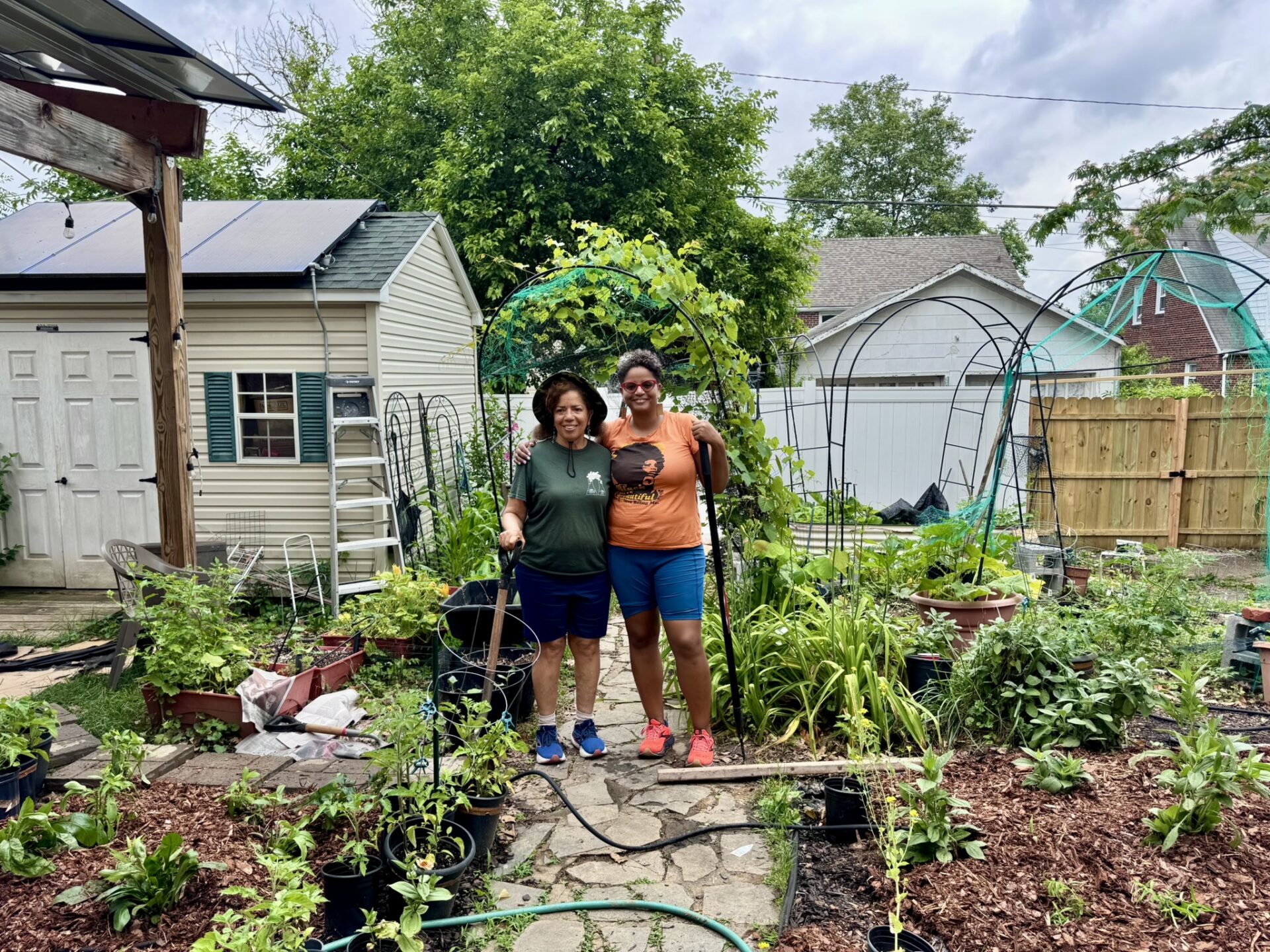
To give back some positivity to a family who has continuously put so much effort and love into our community at large, despite both losing their livelihoods, DC Natives volunteers gathered on a rainy Saturday morning in June to create a garden for Dr. Helen Jackson and her daughter Zakiya. This was an effort to honor their careers and shared passion for gardening, even though the DC Natives planting season had come to an end.

Helen, a nuclear physicist with a patent under her belt and decades of experience, had a job offer rescinded by the U.S. Patent and Trademark Office following the presidential hiring freeze, while Zakiya’s organization, The Expectations Project, a nonprofit dedicated to a better and equal academic future for marginalized Black and Brown communities, was defunded in 2025.

The DC Natives pollinator garden created in Helen’s Capitol View yard honors the essential work the duo have done, paving the way for Black and Brown leaders through impactful education. Federal workers like Helen and social justice leaders like Zakiya daughter are essential to the betterment of communities. We cannot overlook their contributions.

Click here to watch Helen and Zakiya’s garden transform.

Turning Obstacles into Opportunity

In addition to career challenges, we all experience obstacles on the home front, whether it is dealing with repairs, preparing a home or apartment for a storm, or maintaining a healthy city garden. The latter has been Helen’s Achilles’ heel, but she’s always found a way to navigate what’s come her way using her decades of experience and passion.

“I just did whatever I could to increase the yield for whatever amount of space I had,” said the southeast D.C. resident. “We had difficult situations like steep slopes, so I did some terrace gardening. When I first moved to D.C., I was in an apartment, so I just had tons of pot … I used a balcony, I had cinderblocks- 2×12 stacked. And they were all filled with pots where I grew stuff.” 

DC Natives prides itself on creating pathways for pollinators and cultivating community. While we were unable to impact the course of their career, we thought a pollinator garden would be a welcome bright spot for Helen and Zakiya. Research featured in the National Library of Medicine has found increasing evidence that exposure to plants and green space, and particularly to gardening, is beneficial to mental and physical health, so we wanted to help lift the spirits of a deserving family. 

“While so much terrible stuff is happening in our climate,” said Zakiya. “It’s good for building a mutual aid muscle when we’re engaging in community this way. And I think we need mutual aid to survive.” 

Subscribe and receive gardening resources, environmental insights, and DC Natives news.

This field is for validation purposes and should be left unchanged.