Common Weeds: An Identification Quick Guide
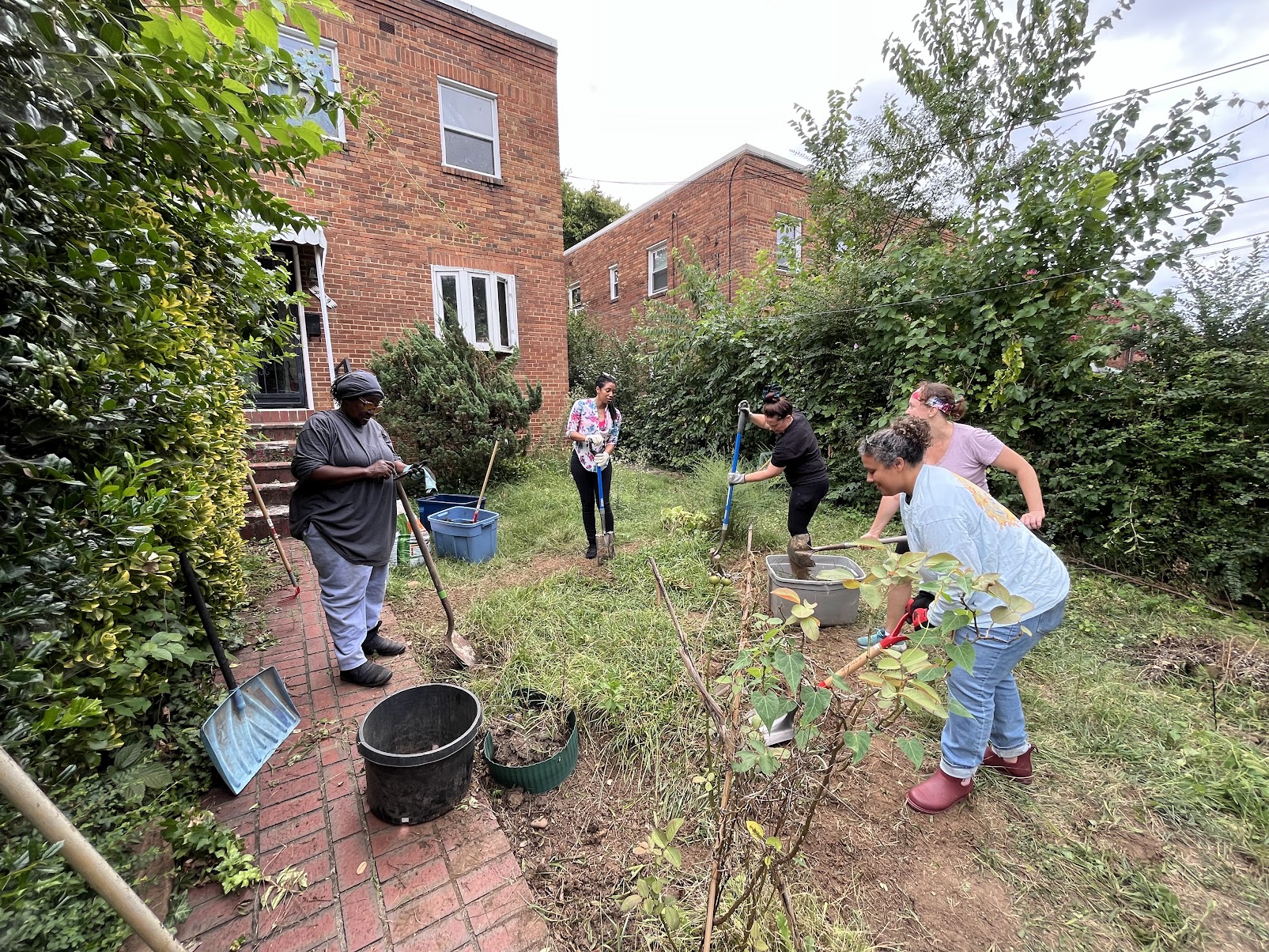
As spring arrives, so do some of the common weeds that can make gardening a challenge.
Weeds are highly adaptable plants that grow vigorously in environments often not suitable for other plants to grow but can compete effectively for resources needed by other plants, especially those within a native pollinator garden.
Weeds often interfere with a human gardening goal or process like reducing crop yield, harboring unwanted pests within a garden space, or invading established native plant areas and reducing the space for useful habitat.
Keep in mind though that many plants that we often consider weeds, have great use to herbalists and sometimes may even been edible. Many plants that are considered weeds also have great value to people in Indigenous communities and African diaspora; plants like hibiscus, dandelion, stinging nettle, clover, lamb’s quarters, echinacea, and elderberry.
In order to help with identification of common plants that are considered weeds in the garden, we have created a guide to some of the most common. This list is not all inclusive but should hopefully ease the task of trying to identify the plants solely based on sight.
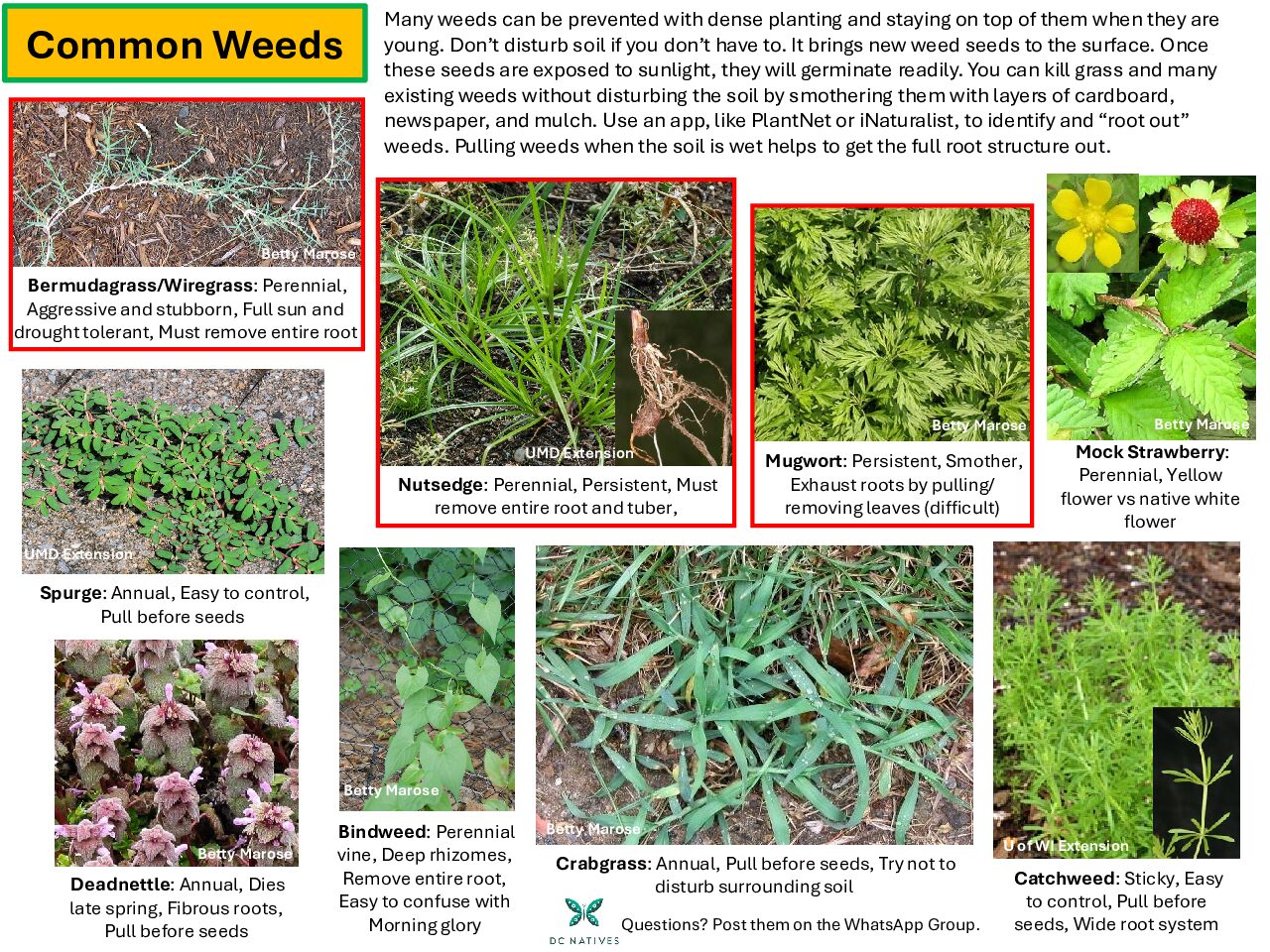
Hopefully this guide will help you quickly identify these plants so that there is no confusion with the sprouts that come up for the native plants in your pollinator garden. Removing weeds can help continue to keep your pollinator garden successfully growing for years and years to come.
Don’t have a DC Natives Pollinator Garden yet?
Sign up to learn how to host a DC Natives sponsored pollinator garden!