5 Beautiful, Drought-Resistant Native Plants for Your DC Garden
If you’ve gardened through a DC summer, you know the shift. Spring rains give way to heat, dry spells, and some plants in the garden can look a bit…stressed.
If you’re hoping to keep your garden vibrant through the heat without worrying about being outside with the hose every day, choosing native plants that can handle drier conditions is a good place to start. Once established, many of these plants are surprisingly resilient, with the added bonus of providing your garden visual interest, making them a great fit whether you’re just getting started or expanding your garden.
Here are five drought-tolerant native plants that support pollinators and bring vibrant beauty to the garden without adding more to your summer to-do list.
Beardtongue (Penstemon digitalis)
Beardtongue is an easy, drought-tolerant, and beautiful plant to start with, sending up tall stems of soft white blooms in late spring.
It’s especially useful if you’re looking to get pollinator activity going earlier in the season, with hummingbirds and bumblebees frequent visitors.
It’s a good fit for tougher spots in the garden, including areas with heavier soils or poor drainage. It can also handle some shade with well-drained soil. Once established, it holds up well and adds a clean, bright look to the garden with minimal maintenance.
Black-Eyed Susan (Rudbeckia fulgida)
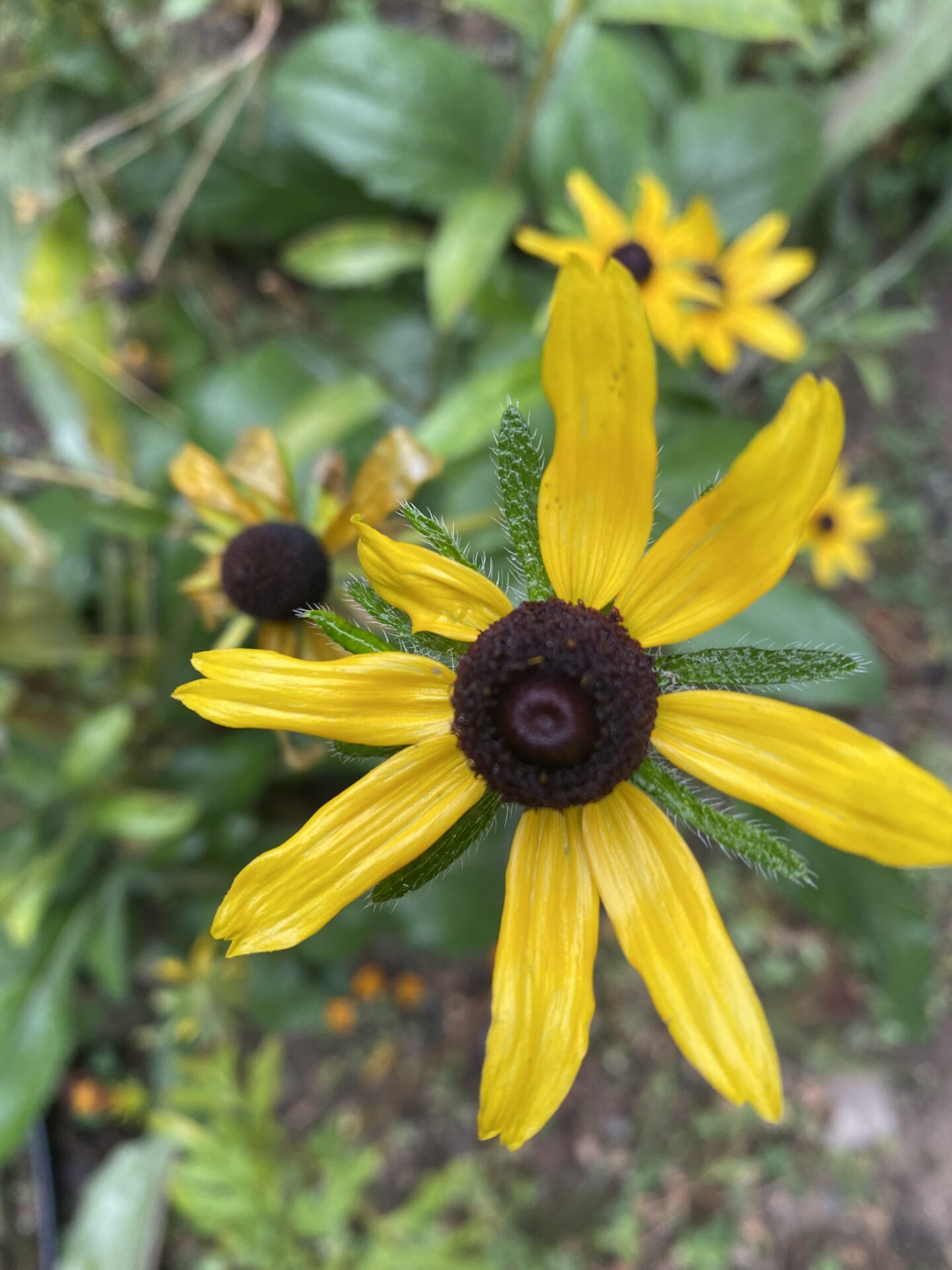
If your garden gets a lot of sun and heat, black-eyed Susans are a top contender. Their bright yellow petals and dark centers are a striking addition to the garden even for those with tough conditions.
They bloom from mid-summer into fall, and each flower tends to stick around for a while. Over time, these plants can spread into open spaces, which helps a garden feel fuller without much effort.
They can be found growing in a variety of conditions across the Mid-Atlantic and can tolerate heat and drier soils once established. In addition to supporting pollinators, they also produce seeds that attract birds later in the season.
Butterfly Weed (Asclepias tuberosa)
If you’re looking for standout color and ample pollinator activity, look no further than butterfly weed. This plant features clusters of bright orange flowers set against dark green foliage and brings a strong pop of color right when summer gets going.
Plus, its blooms are long-lasting and highly ornamental, making them a strong visual addition to the garden.
Once its roots are established, this plant is built for tough conditions. As a type of milkweed, it plays an important role in supporting monarch butterflies, and its blooms attract other pollinators, including hummingbirds.
Little Bluestem (Schizachyrium scoparium)
Not everything in the garden has to be a bright pop of color to stand out. Little bluestem is a native grass that adds both structure and movement, especially as the seasons shift. In summer, it has a soft blue-green color. By fall, it transitions to warm tones that carry through into winter.
Its fluffy seed heads stick around as well, adding texture and supporting wildlife.
It is extremely drought-tolerant and thrives in full sun and drier soils. Once established, it requires very little attention, making it a good option if you’re looking to balance out more high-maintenance plants.
Wild Bergamot (Monarda fistulosa)
Wild bergamot has a softer presence in the garden. Its light purple blooms and informal appearance give it a more natural feel.
Its mid to late summer blooms draw in a wide range of pollinators, especially bees and its hollow stems can serve as ideal nesting habitats.
This plant grows in full sun to partial shade and can handle drier conditions once established. In the right conditions, it can also spread and help fill in the garden over time.
A note on getting started
Even drought-tolerant plants need consistent watering in their first season while their roots get established. After that, they become much more self-sufficient.
One of the things we emphasize at DC Natives is that you don’t have to do everything at once. Adding even a few of these plants can make a meaningful difference for your garden and for the pollinators that depend on it.
Over the season, these plants begin to layer together, bringing color, structure, and steady pollinator activity in a way that feels both manageable and rewarding.
If you’re looking to see these plants in action or learn more, we hope you’ll join us at an upcoming First Flower Friday or demonstration garden workshop this season.