Leave the Leaves! Nature’s Free Compost Offers Cozy Winter Homes for Pollinators
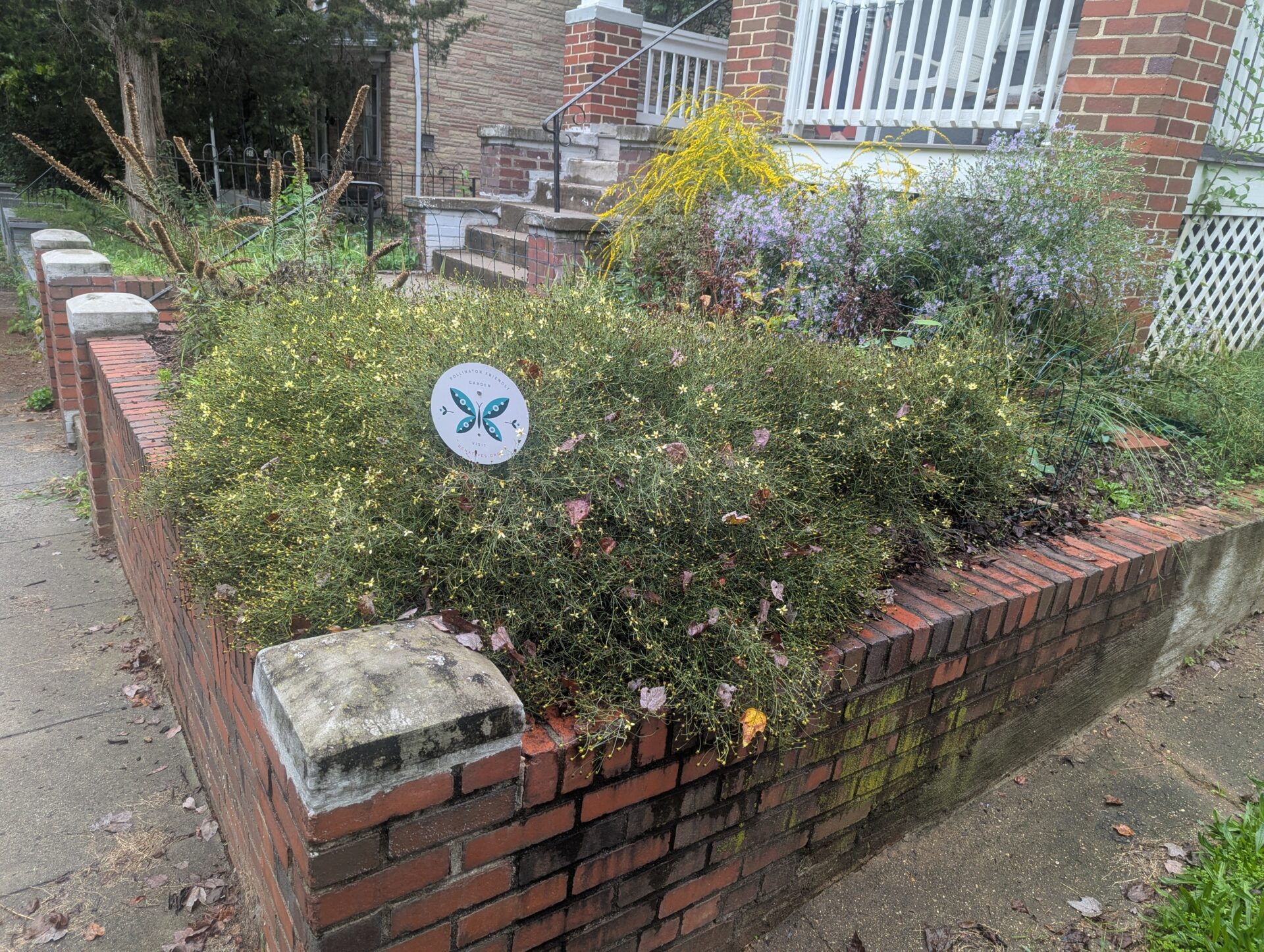
By Josh Bayard, Master Gardener, Master Naturalist, and Certified Pollinator Steward
Whether you are new to gardening or have been gardening for years, the proper ways to prepare your native pollinator garden for winter can often cause a bit of confusion. It is important to be aware of how you manage your garden in autumn because each thoughtful step you take can lead to phenomenal results in the conservation of the insect and animal pollinator species.
You may ask, “Why does it even matter?” It matters because there are hundreds of pollinators and other animals that hibernate in the leaf layer or underground during the winter including some species of bumble bees, fireflies, moths, butterflies, bats, turtles, and salamanders. It is very important to be the best stewards of our gardens so that we reduce the harm we may cause to generations of pollinators just waiting to burst out of the natural ground habitat once the temperatures and environment are suitable.
Did you know that out of the more than 20,000 bee species in the world, almost 70% create their nests underground? The female queen lays her eggs in the underground nests and in the spring the baby bees make their way out of the nests and start the pollination process over again keeping the cycle of life going in our ecosystems.
The other percentage of bees make their homes in the stems and stalks of the dormant plants of the garden. There is no need to trim any of your plants back. Leave the dormant plants where they stand. They will make for a beautiful landscape once the snow falls and will give the garden a bit of depth instead of a flat and tidy garden space.
When was the last time you saw a firefly? If you have seen them lately, has it been fewer than what you remember from your childhood? When home gardeners put leaves and sticks and other detritus in leaf bags in the fall, they are disposing of the key component of the winter garden that the firefly larvae need to survive.
Since many firefly species spend the larval stage under layers of fallen leaves or even under the soil, it is important to leave the leaves where they fall or even add more to the area of your garden. Many firefly species spend one to two years as a larva and about 30 days as an adult. Can you see why it’s so important to leave the leaves and soil alone yet?
Leaves are nature’s free compost. Studies have shown that leaves that are left over many seasons sequester carbon in the soil and help to mitigate the harmful effects of climate change. If the yard waste is taken to be composted by the city, we then have to go buy the leaf compost after it’s processed or get a limited amount for free.
If you do choose to compost your leaves, the University of Maryland Extension office has an easy guide on how to make compost at home. It may have you reconsider bagging up your leaves and setting them on the curb or pushing the leaves to the curb for the city to suck up to move to a processing facility.
What else should I know about preparing my garden for winter?
Now that you are armed with the knowledge of utilizing nature’s free compost, DC Natives Pollinator Gardens offers these additional tips on preparing your garden for the winter:
Know your frost date
Check your first and last frost dates to have an idea when it would be best to disconnect your irrigation or soaker hose system and winterize your hose bib to prevent freezing. If you have a soaker hose, that can be left where it is in the ground over the winter or you can unpin the soaker hose and remove it from the garden to store inside for the winter. Unscrew the soaker hose from the solid hose and then detach the solid hose from the hose bib. Then you should store your solid hose in a safe location over the winter. If you use a timer, also disconnect it, remove the batteries, and store it out of the elements.
Leave your native pollinator plants where they stand
There is no need to cover your native plants or do anything extra. They are native, so they are acclimatized to the weather patterns in the area and are very resilient, even in some of the coldest temperatures.
Say no to mulching … for now
Wait until the spring to lay down new mulch. It is often hard for emerging pollinators to make it through deep layers of mulch in the spring as well as the pollinator plants that need a little help finding the sun. Also, since you will leave the leaves, there won’t be an immediate need for mulch.
Ditch the pesticides
The use of pesticides goes against the entire mission and purpose of what DC Natives does. Spraying pesticides or using any “cide” is extremely harmful to pollinators, plants and humans alike. The pesticides and herbicides often end up in our waterways which damage much larger segments of the overall ecosystem. Birds and other rutting animals eat the seeds and build nests with plant materials covered in toxic chemicals which harms the adults as well as the offspring. Find natural ways to manage pests, like protecting the beneficial insects in leaf litter, in order to limit the overall impact you have on your immediate environment as well as the bigger picture.
Together, we can change the world for the better, but the change starts inside each one of us to become a better version of ourselves. Happy Autumn!
Master Gardeners Rodrick West and Hollis Luzecky contributed to this article.